Soil Discovery in UAE
Winds of time
Soils and ecosystem services
Soils and food security
Soils and climate change
Threats to Soils
Soil Discovery in UAE
A world-first discovery in the UAE
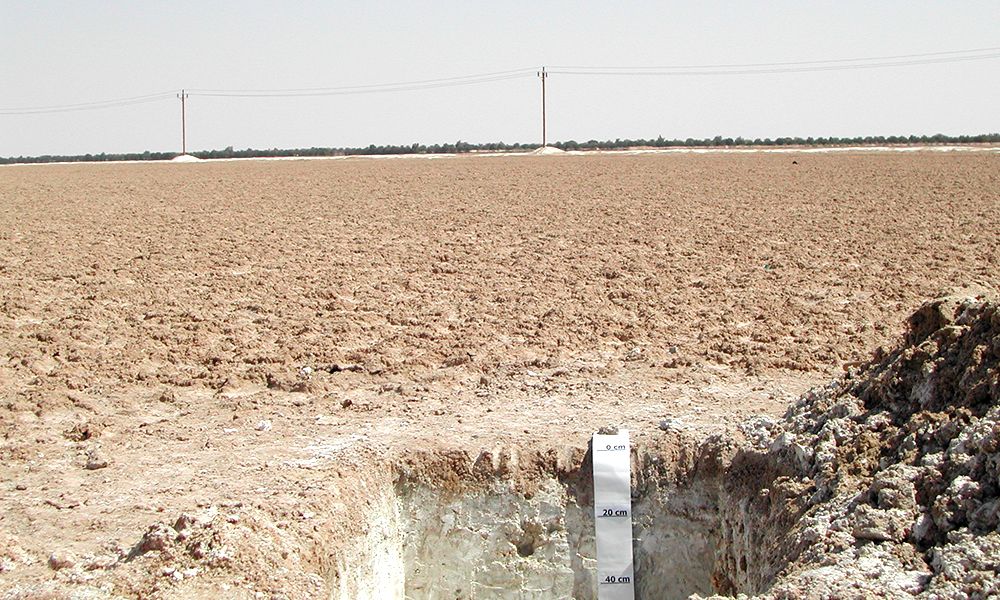
A remarkable scientific milestone was achieved in the United Arab Emirates with the discovery of a soil type previously unknown to science. For the first time anywhere in the world, a completely new class of soil was described and formally recognized, a discovery that would go on to reshape international soil classification.
This soil, rich in anhydrite (CaSO₄), revealed a composition and structure so distinctive that it could not be placed within any existing soil category. Careful study confirmed that these were not simply variations of known soils, but represented an entirely new soil sub-surface diagnostic horizon, mineralogy class, and subgroup.
- A new diagnostic horizon was created: “Anhydritic”
- A new mineralogy class was added
- Two new soil subgroups were introduced: Anhydritic Aquisalids and Anhydritic Haplosalids
Where was it discovered?
The discovery was made in the Al Dhabaya coastal lands of Abu Dhabi, an area where the desert meets the sea. Here, saline and gypsiferous conditions created the perfect environment for the formation of this unusual soil.
Al Dhabaya’s landscape, shaped by centuries of wind, tides, and evaporation, offered the precise geological setting that allowed anhydrite to appear in the soil profile. This finding revealed that the UAE’s coastal environments (often perceived as barren or uniform) are in fact rich scientific frontiers, capable of producing discoveries that advance global understanding of the Earth’s resources.
Who Discovered It?
Dr. Shabbir A. Shahid, a senior soil scientist at the Dubai-based International Center for Biosaline Agriculture (ICBA) and his co-associates Dr Mahmoud Abdelfattah and Khaliq ur Rahman Arshad at the Environment Agency – Abu Dhabi (EAD) have first described this soil.
Why is it important?
This soil was so unique it reshaped the way soils are classified worldwide. In 2014, the US Keys to Soil Taxonomy officially added anhydrite soils thanks to the UAE’s contribution.
For the UAE, this was more than a scientific finding. It demonstrated the country’s role as a pioneer of global soil research, contributing knowledge that is now embedded in international standards used by scientists worldwide. The discovery of anhydrite soils reflects both the uniqueness of the UAE’s landscapes and the nation’s growing leadership in science, sustainability, and environmental stewardship.
By placing the UAE on the map of global soil science, this achievement has become part of the country’s scientific heritage; a reminder that even in the desert, the land continues to reveal secrets with the power to advance human understanding and inspire future generations.
What changed in soil science?
Following extensive evaluation, the proposal was accepted by the USDA Natural Resources Conservation Service (NRCS). In 2014, the Twelfth Edition of the US Keys to Soil Taxonomy introduced several major updates inspired by this discovery:
- A new sub-surface diagnostic horizon “Anhydritic” was added, with this addition globally the number of sub-surface diagnostic horizons increased to 20.
- A new soil mineralogy class (Anhydritic) was added, with this addition globally the number of soil mineralogy classes increased to 33.
- A new soil subgroup “Anhydritic Aquisalids” was added, with this addition the number of soil subgroups under the great group Aquisalids is increased to 4.
- A new soil subgroup “Anhydritic Haplosalids” was added, with this addition the number of soil subgroups under the great group Haplosalids is increased to 6.
In the foreword to the 2014 edition, David W. Smith, Director of the USDA-NRCS Soil Science Division, highlighted this as one of the most important advances in modern soil taxonomy, noting that the inclusion of anhydrite soils reflected a significant international collaboration led by scientists in the UAE.
This achievement carries broad implications. Scientifically, it enhances understanding of soils in saline and gypsiferous conditions, deepening knowledge of arid land processes. Agriculturally, it provides valuable insights for land management and crop production in challenging desert environments. At the global level, it demonstrates how discoveries made in the UAE can directly shape international standards and advance humanity’s collective understanding of the Earth’s soils.
Winds of time
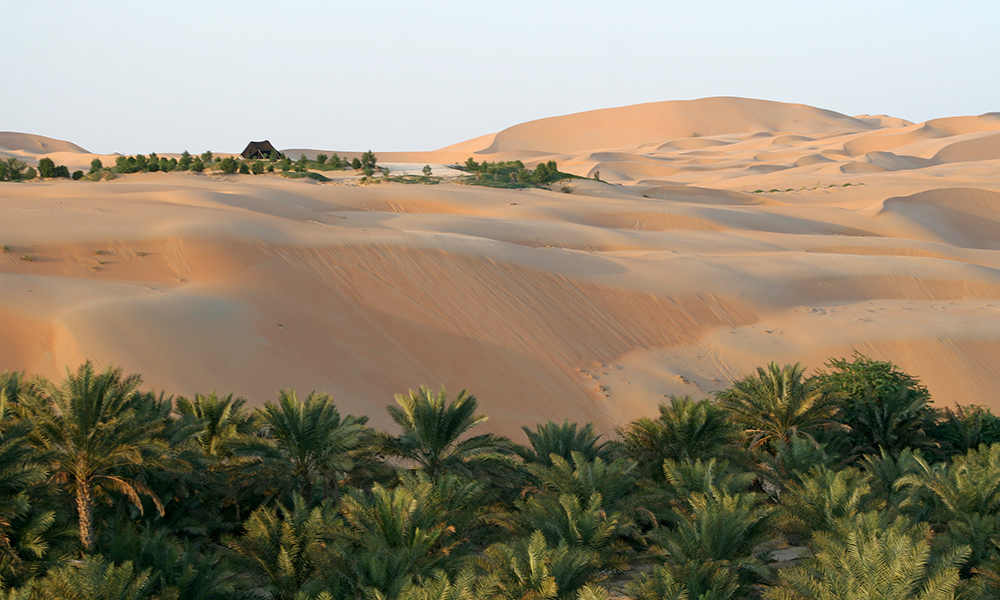
The story of soil in the United Arab Emirates is also the story of the wind. Restless and invisible, the wind has no master and no borders. It moves with shifts in pressure and the pull of the atmosphere, shaping the desert in ways both subtle and profound.
Over centuries, the wind has acted as a sculptor, carrying grains of sand across open landscapes and depositing them far from where they began. In doing so, it erases boundaries drawn by people and replaces them with its own language of movement and change.
The soils transported by the wind always carry with them the memory of their origin:
- From the coastal lands, the wind lifts fine white calcareous sands, scattering them inland, where they settle as bright white soils.
- From iron-rich regions, the wind gathers red sands and deposits them as soils of a deep, striking hue.
- From ancient igneous rocks such as gabbro, the wind grinds down grey sands, which are carried and left behind as grey soils.
- From the sea itself, dredged material rich in seashells and lime is transformed into cream-colored calcareous soils, soft reminders of the ocean floor.
In this way, the UAE’s landscapes are painted in shifting shades of white, red, grey, and cream. No single color belongs to a single emirate, for the wind does not recognize the borders of the seven emirates, nor the limits of the nation itself. Instead, it mixes, blends, and redistributes, creating a living mosaic of multi-colored sands in constant motion.
The winds of time tell us that soil is never fixed, never still. It is always part of a larger journey, carried across deserts and coastlines, reshaped by nature, and woven into the shared heritage of the land and its people
Soils and ecosystem services
Soil is the silent architect of life, building the foundations of ecosystems and sustaining the well-being of all living things.
Beneath our feet lies a hidden world, one that sustains every aspect of life on Earth. Soil is not just dirt, it is the foundation of ecosystems, the quiet provider of services without which life as we know it could not exist. Healthy soils safeguard the very systems that support people, plants, and animals, making them indispensable to the planet’s balance.
Soils provide the essentials we rely on every day: food, feed, fiber, and fuel. Yet their role extends far beyond agriculture. They are a living habitat, home to extraordinary biodiversity. Within a single teaspoon of healthy soil live up to one billion bacteria and more than 4,000 species of microorganisms, alongside insects, fungi, and worms that keep ecosystems thriving. Globally, over 360,000 animal species make the soil their home, forming one of the richest yet least visible communities on Earth.
Soils are also nature’s filters and recyclers. They clean and store water, cycle nutrients, and regulate carbon and nitrogen flows that sustain plant growth. They act as a foundation for cities and infrastructure, a source of materials for manufacturing and construction, and a vital medium for agriculture that secures humanity’s food supply.
The connection between soil and human well-being is profound. Every glass of water we drink, every meal we eat, and every structure we build has its roots in soil. To care for soil is to care for ourselves, for our health, our food, our homes, and the ecosystems that sustain life on Earth.
Soils and food security
- Agriculture is the only essential industry on earth.
- Soils are essential for agriculture to produce food.
- Soil is the basis for more than 95% of global food production.
- By 2050, agriculture production must increase by 60% to meet food demand alone.
- Arable land per capita has decreased from 0.45 hectare (1961) to 0.25 hectare (2016).
- “Best Practices” in soil management can increase food supply and close yield gaps.
- Healthy soils are a key to a farmer’s economic prosperity.
Soils and climate change
Beneath the surface, soils act as both a witness and a regulator of the Earth’s changing climate.
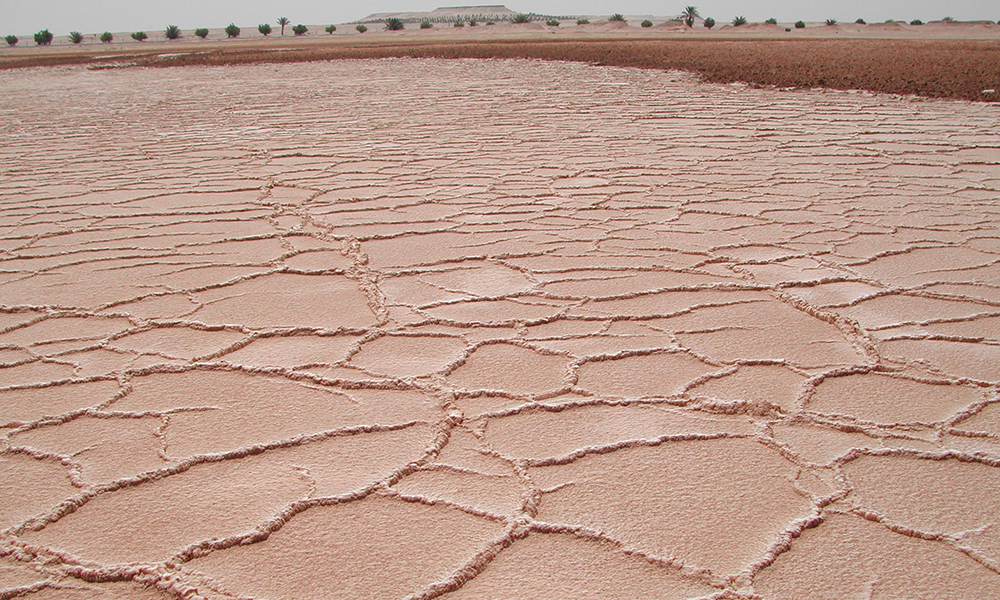
Healthy soils are a powerful ally in the fight against climate change. They regulate the Earth’s temperature, absorb greenhouse gases, and influence the stability of ecosystems across the globe. Yet they are also deeply vulnerable to the very changes they help to mitigate.
One of soil’s most critical roles lies in carbon sequestration. Globally, soils store an immense amount of organic carbon; more than 1,417 billion tonnes in the first meter and 716 billion tonnes in the top 30 centimeters alone. This makes soil one of the largest natural carbon reservoirs on Earth, helping to offset greenhouse gas emissions and stabilize the climate.
But as the planet warms, soils themselves face mounting threats. Rising global temperatures accelerate the melting of Arctic Sea ice, which in turn drives sea level rise. Higher seas lead to the inundation of coastal areas and intrusion of seawater into soil and groundwater, causing salinization that degrades soil health and reduces its ability to sustain life.
Climate also directly shapes the formation of soils. Heavy rains and floods give rise to alluvial soils, rich and fertile deposits carried by water. In contrast, wind erosion sculpts eolian soils in deserts, where the movement of sand and dust creates stark, fragile landscapes. In this way, climate and soil are locked in a continuous cycle of cause and effect, each shaping and responding to the other.
Soils are therefore more than a passive surface beneath our feet; they are an active player in the Earth’s climate system. Protecting them means safeguarding one of the planet’s most valuable natural levers for resilience, stability, and hope in the face of global change.
Threats to Soils
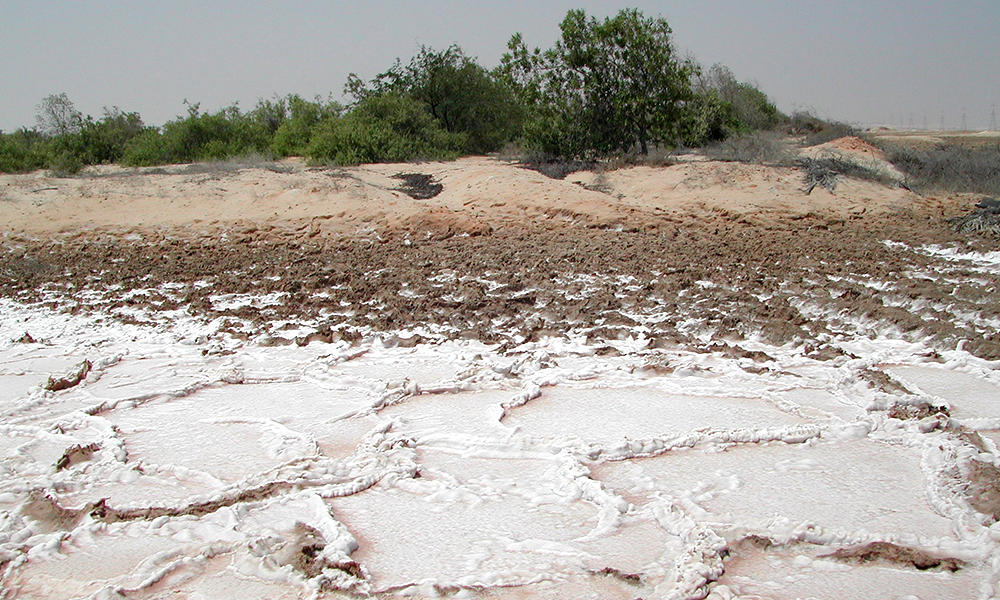
- Soil erosion, salinization, acidification, soil organic carbon loss, nutrient imbalance, soil contamination, water logging, urbanization, and loss of biodiversity are the main threats to soils.
- Soil threats have implications for food production, and globally 33% of land is in a state of degradation.
- Globally 24 billion tonnes of fertile soils were lost to erosion in the year 2011.
- Water erosion transported 23-42 million tonnes of N and 15-26 million tonnes of P from agricultural lands.
- Globally over one billion hectares, and 20 percent of irrigated lands are affected by salinization.
- Daily 2000 hectares of farm soil is lost due to salt-induced degradation.
- Urbanization, including landfills of urban waste, and is occupying prime lands that could be used for agriculture.
- If soils continue degrading at the current rate, by 2030 humanity will require two Earths to sustain its livelihood, but remember, we have only one planet, and no virtual planet to import!